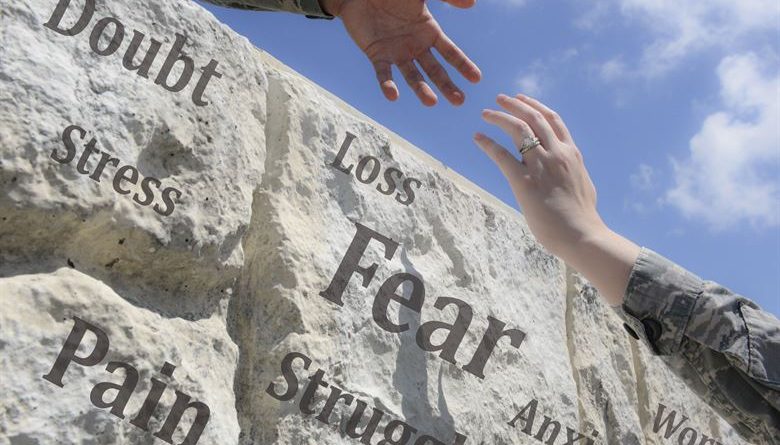
Can Hypnotherapy Manage Stress and Anxiety?
Video – VLog #11
How can hypnotherapy manage stress and anxiety?
In this video Willie Nicol and David Logan discuss hypnotherapy and hypnosis for the small business owner.
Script – VLog #11
David Logan: Hi there, my name is David Logan, the IT Geek taking the complexity out of technology computer systems for the home worker. This week I’m joined by Willie Nicol. Willie, how are you and where are you?
Willie Nicol: Hello, David. Very well thank you. I’m Willie Nicol talking to you now from Loans, outside Troon, south Ayrshire, Scotland, UK.
David Logan: Fantastic. Willie we’re talking about your favorite subject, and we’re talking about how to manage anxiety and stress. We’re back to video number three, if you remember, we talked about that. Can you give us a quick review of that previous week?
Willie Nicol: Previous week’s, I talked about managing stress anxiety using a varied number of techniques or what ever you want to call them? We started off very low key with talking to someone you know and trust. Then went on to talk about exercise and breathing exercises and mindfulness meditation. Now I would like to move onto hypnotherapy.
David Logan: That’s interesting. So how does hypnotherapy, how can we manage anxiety and stress through hypnotherapy? Can you tell me more?
Willie Nicol: Absolutely, David. It’s a very good question. Before we go into that you might wonder what is hypnosis and hypnotherapy. I can say that hypnosis is a means where you can put a person into a state of very deep relaxation. A deep sense of calm, which affords them the ability to go inside themselves to an unconscious level, and that allows various things to happen, which I wll go into later. We can almost say that hypnotherapy is a therapeutic use of hypnosis. We can describe it as hypnosis, as being a tool and hypnotherapy as the usage of that tool.
David Logan: So you’ve got tool and usage, so usage being like a system. Would that be correct?
Willie Nicol: Kind of like that, now if I say that hypnosis is equivalent to being in trance-like state and trans sounds a wee bit kind of a woo woo, but it’s astonishing that we are very often in a trance-like state, I’ll give you an example or a couple of examples. How often have we jumped in our cars to drive from home to work and we do it automatically without thinking really. How we get to work .. we get out the car, we think, I don’t recall actually many aspects of that journey because we’ve been in that trans-state we’re doing it automatically. It’s the same as when were watching a movie, we’re engrossed in or reading a book we’re engrossed in. We go into a kind of trance, so if someone comes into the room and asks if you want a cup of tea, you probably won’t hear them because you’re so engrossed in what you’re doing, and hypnosis is just a deeper version of that.
David Logan: So I can remember briefly you saying something about conscious, but is this like the difference between subconscious and conscious level?
Willie Nicol: It is indeed. Without going into it too deeply and I use the word deeply advisedly, because hypnosis is just a deep trance, an unconscious level. Basically, we know everything we’ve done, every experience we’ve ever had because it’s stored inside our unconscious. It’s almost like having a big filing cabinet or a big computer hard drive where all of our memories and everything else is stored in there. Right. Good and bad things, and very often we forget that they’re there. So. The use of hypnosis or hypnotherapy, the therapeutic use of hypnosis allows us to go backinside to the unconscious and find the file or the folder, or the thing or whatever it is we’re looking for. Which is contained in the filing cabinet or a hard drive, so to speak.
David Logan: OK, so that’s the subconscious and conscious levels. OK, good, good, good. So hypnotherapy – it’s just put into that state of mind?
Willie Nicol: It puts you into a very deep state of relaxation. Right. Where if you like the world round about you, is still there, right, becomes less important and you can focus more deeply and send yourself on any number of levels in any number of matters. For example, it’s very useful for stress and anxiety because that deep sense of calm and relaxation allows you to go and decide – I don’t need to be stressed about this, or anxious about this. And the beauty of it is that after a hypno-therapy session, you will inevitably find yourself much more relaxed and much calmer. And that’s one of the very basic benefits of hypnotherapy. We can then go on to look at its usage and things like habits, addictions, fears, phobias and various other things. But stress and anxiety is absolutely a great area where hypnonosis comes into its own.
David Logan: So the penny is starting to drop here. So hypnosis, basically, redirect your mind, your brain, the way of thinking .. is that correct .. is that it?
Willie Nicol: That’s not a bad way of putting it, but we are we are sitting here consciously in our chairs and talking together. We’re doing this consciously. There’s also some other things going on unconsciously. For example, we don’t have to consciously think about breathing or we don’t have to think, I better make sure my heart keeps beating. These things are done unconsciously for us. It’s just the way things are. So that unconscious level, we don’t have to think about it.
Willie Nicol: When we have, don’t like using the word problems or things or issues or whatever, when something’s bothering us, they can be on a conscious level. but the actual underlying cause is unconscious. And once you can tap into the unconscious, we’re in a better position to remedy address of resolve, whatever that thing that’s bothering us..
David Logan: Great. Fantastic. Good. So I think we don’t need to go much deeper. If the viewer or people needs to go deeper they can contact you. Is that a fair statement?
Willie Nicol: Yes, absolutely they can contact me. I have had hypnotherapy myself, which I can describe to people and that’s the reason I know that it works. Otherwise, I may be like many many people who associated with stage hypnosis. Where talented hypnotist, not a hypnotherapist, hypnotist’s member of the audience to run about do things which ordinarily they wouldn’t do, but have been, if you like, persuaded through hypnosis to do. Hypnotherapy is different from that. So use of hypnosis in a therapeutic manner to achieve a desired outcome. That might be stopping smoking, that might be reducing your stress and anxiety, it could be fear of flying. It could be all number of things. The use of this tool -hypnosis – in a therapeutic context allows us to resolve what-ever the problem is or whatever you are trying to get over. Without going becoming too technical, if you excuse the pun, too technical and too psychological, that’s a very brief overview. Hypnotherapy is good for. Anyone can contact me and I can explain further and we can have a wee session and I’ll show you how good it is.
Willie Nicol: I hope that’s been helpful, if you have any questions, please don’t hesitate to get in touch with me through any form, social media, e-mails, whatever. Thank you very much for listening.
David Logan: Fantastic. Willie, thank you for your input, the experience this week.
David Logan: Can you believe this is video number 11 now? 11 weeks we’ve been into lockdown in Scotland. Unbelievable. And people are still watching. That’s great news.
David Logan: We want more people to watch our videos. Want more people to subscribe to YouTube, so if your watching this on YouTube, press the button down here to subscribe. So my name is David Logan, if you want to know any more, contact either of us.
David Logan: If your on either of our networks, Facebook, LinkedIn, YouTube or even on the web site, give us a shout. So my name is David Logan LOGAN-it talking here from Annan southwest Scotland, United Kingdom. Goodbye from me and goodbye from …
Willie Nicol: Goodbye from Wilie Nicol the Techno Dinosaur.